Verified
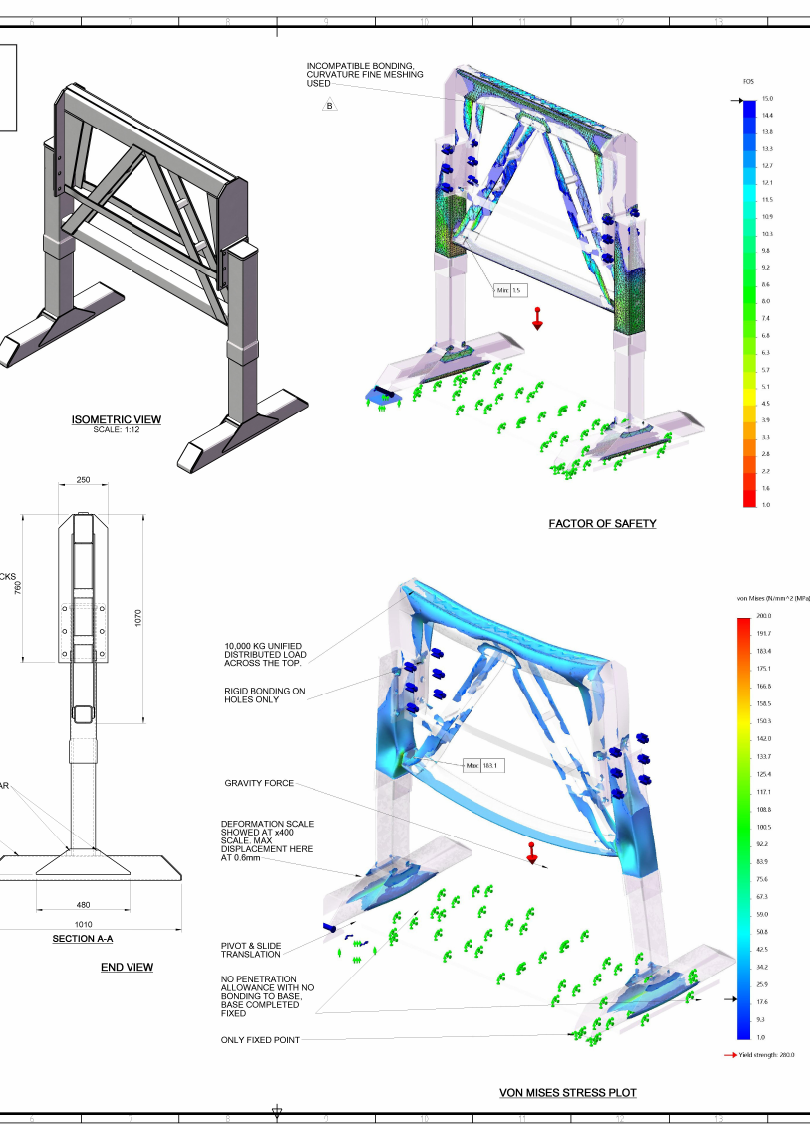
Existing-equipment assessment, corrective action and certification support.Designed for manufacture
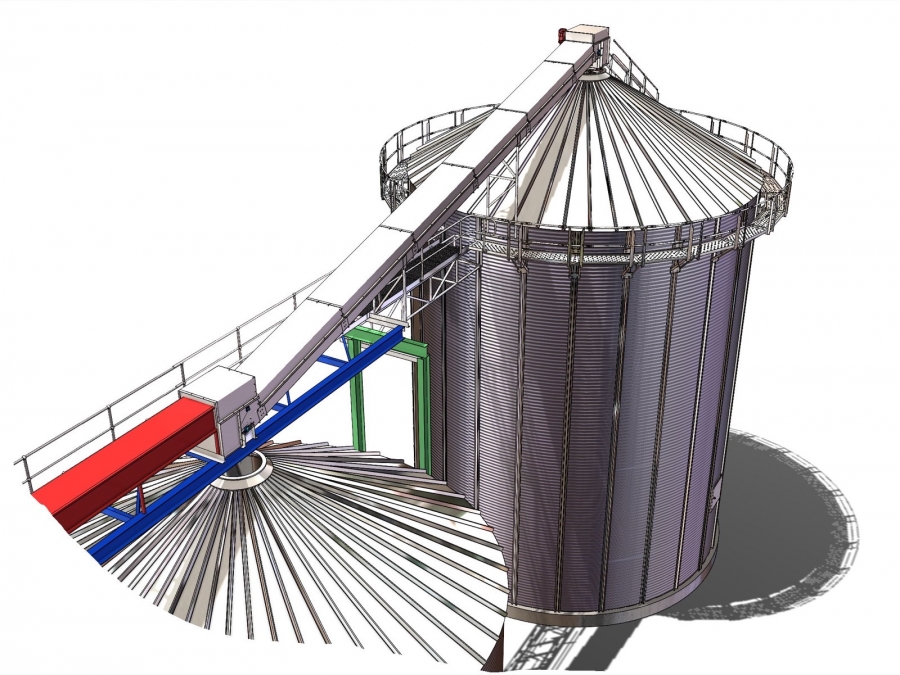
Machinery, drives, access and workshop documentation.Commercially delivered
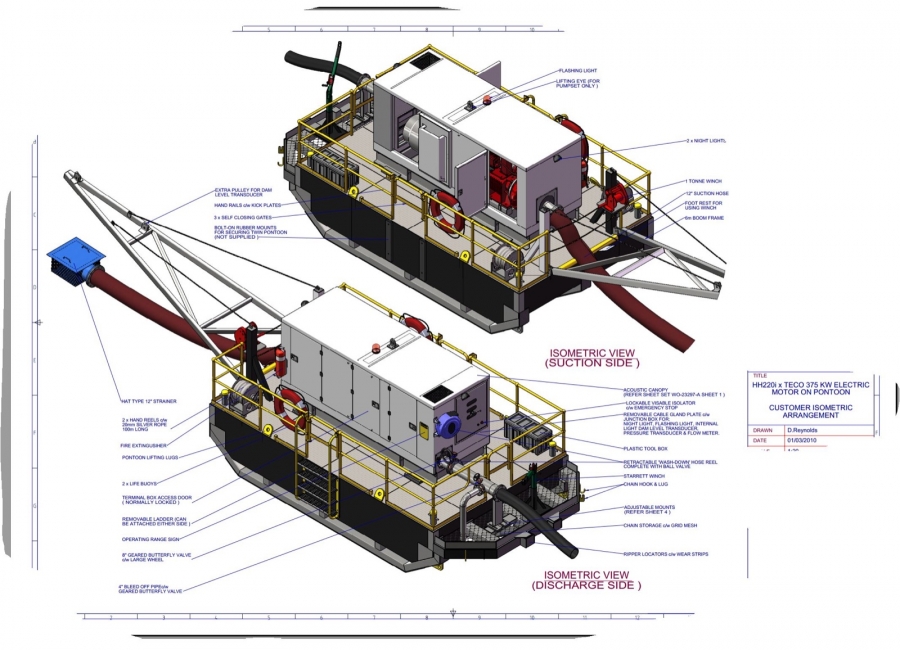
Pump packages integrating equipment, structure, access and services.Built and demonstrated
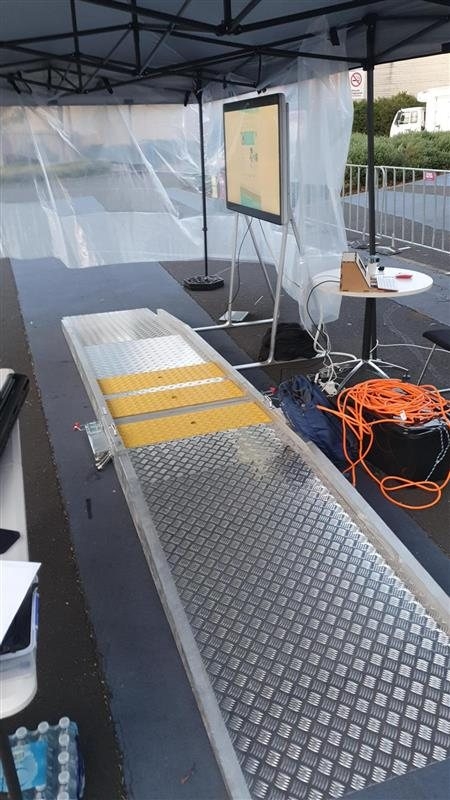
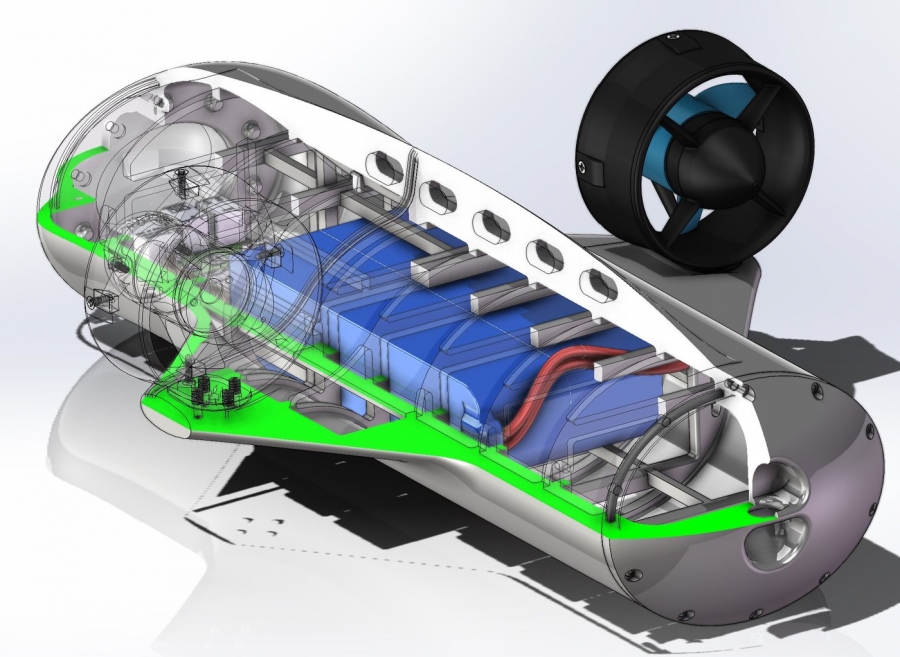
An instrumented research platform used with wheelchair participants.
Who I am
I’m a mechanical design engineer who takes practical briefs through to models, calculations, manufacturing drawings and support during the build.
I work with clients, operators, fabricators, installers and reviewing engineers to understand the constraints and develop equipment people can build, use and maintain. My career spans machinery, heavy vehicles, lifting and access systems, agricultural equipment and water treatment.
My mechatronics qualification adds sensing, control, embedded systems and software knowledge to this mechanical foundation, supporting the integration of modern machinery.
What it is like to work with me
I am curious, direct and comfortable saying when something needs to be checked.
I like giving a team something tangible to discuss early, then improving it with evidence rather than defending the first idea.
I work best where people share knowledge freely and the real outcome matters more than who first suggested it.
From zero to sixty
How an unfamiliar high-rise brief became more than a decade of repeat selection
When Otis competitively tendered a non-standard high-rise elevator-system scope, I had no previous sector background. I researched the system and rapidly translated the client's requirements into a reviewable 3D concept. The client later told me it was very close to his intent and showed I understood the problem. That first win developed into repeated selection across three Australian states, with project references progressing through OTS-061.
I only needed the first brief. The next sixty were earned.
Choose the evidence most relevant to you
One engineering career, two focused portfolios
SELECT A TRACK
Start with the work closest to your role. Both tracks share the same practical engineering foundation and connect back to this overview.
Professional engineering delivery — from incomplete brief to supported outcome
SHARED / COMMERCIAL RECORD
Mechanical engineering from the first brief to production support
My commercial work brings together operating requirements, mechanical design, calculations, FEA, manufacturing information and practical follow-through. Sensing, control and software knowledge extend the ways I can contribute to these projects.
Long-term client delivery
Otis Australia — high-rise engineering
Project references through OTS-061 since 2013 include high-rise buildings exceeding 80 storeys. I developed a constrained self-climbing jump-lift arrangement assessed by Otis's lead engineer as the first implementation of that approach for the application. The wider work spans requirements, load interpretation, CAD, analysis, fabrication documentation and controlled issue.
Analysis and certification support
Barker Trailers and Thomas & Associates
Repeat design and FEA for Barker Trailers included a heavy-vehicle safety-hoist system. My mechanical design and FEA work was reviewed and signed off by engineers at Thomas & Associates.
Senior contract delivery
Royal Wolf — Senior Mechanical Designer
Led container-based projects from kick-off through SolidWorks design, drawing release, fabrication coordination and production support.
Field equipment foundation
Mining, mobile plant and automated handling
Work for GE Industrea, WesTrac Caterpillar, Orica, AllightSykes and ICA covered underground vehicles, earthmoving options, explosives-charging machinery, pump packages, conveyors and integrated safety systems.
Worked example — 82-day employer-certified engineering diary
Designing a test to disprove my own first explanation
On a temporary lift motor-room project, I reduced overall height by more than 100 mm through beam substitution and sheave repositioning while retaining anchor spacing and rope clearance. Analysis showed about 0.5 mm global deflection across a 2,100 mm span, but a localised high-stress region at one wall-bolt connection.
Rather than add steel immediately, I trialled a diagonal brace specifically to test whether inadequate global stiffness was the cause. It produced negligible improvement. The negative result mattered: it identified local connection behaviour, not global stiffness, as the issue that required attention.
Good judgement is not defending the first hypothesis. It is designing the check that can prove it wrong.
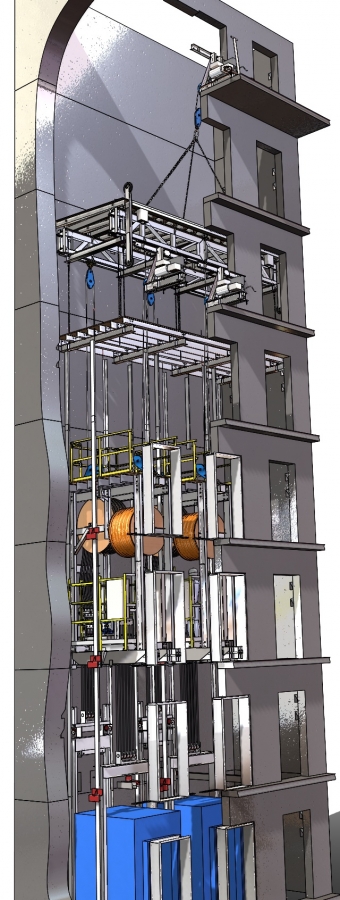
Multi-floor cutaway of the self-climbing arrangement: temporary motor room, lifting frame, protection decks, work platforms, lift machinery and building interfaces. Select the image to inspect it at full size.
First-of-its-kind high-rise system
A self-climbing jump lift without crane or overhead-access dependency
Working to a project scope written by an Otis engineer, who also reviewed the design, I developed a project-specific arrangement that he identified as the first implementation of its kind. The complete temporary lift system could climb within the building without crane assistance and could be assembled where no access was available from above. The temporary motor room, lifting frame, protection decks and work platforms therefore had to operate as one coordinated, buildable sequence.
I produced this two-minute animation from the project model to help Otis explain the system and one climbing cycle to its customers. It shows how the temporary motor room, lifting frame, decks and work platforms operated together.
What this demonstrates
First-of-its-kind systems require more than a clever mechanism. This solution removed dependence on crane and overhead access, coordinated equipment across several floors, and turned the climbing sequence into something that could be reviewed, built and explained.
The working habits behind the outcomes
What experience changes before the finished result is visible
SHARED / HOW I WORK
The mistakes I am proudest of are the ones that never happened
I trained as a fitter, machinist and turner before I designed anything. I have stood at a machine, glanced at a drawing and found the dimension I needed was unclear, placed somewhere unintuitive, or accumulated from the last feature rather than referenced to a common datum.
I draw for that person now. A dimension that can be read two ways at a glance will eventually be read the wrong way, and by then the material may already be cut.
Why prevention is difficult to count A mistake corrected in 3D CAD is normally no big event. The model and drawing are updated and fabrication continues. That makes the saving difficult to name, because the costly event never occurs: no replacement beam has to be cut, no completed assembly needs several skilled tradespeople to rework it, no material is scrapped and no team is diverted from the next project. Good CAD work is not simply a clean model. It means quality is built into the end product before fabrication begins.
Why clients come back
Most briefs describe what someone thinks they want. The job is understanding what they mean. I avoid getting buried in detail before that is settled and send screen captures or rough 3D concepts early—something a client, operator or fabricator can point at and disagree with.
Sometimes that first view shows the client that their own idea was not quite what they had pictured. Finding that out during a screen-capture exchange costs almost nothing. Finding it after fabrication costs a great deal.
The practical principle
The first concept is a question, not a position to defend. Positive and negative results both reduce uncertainty and move the team toward the solution worth building.
1. ListenUnderstand the operating need, the people involved and what success looks like.
2. Make it visibleUse concepts, models or diagrams so assumptions can be challenged early.
3. Test the uncertaintyCalculate, analyse, prototype or measure the condition that can change the decision.
4. Support deliveryTurn the result into clear drawings, code, reports, revisions and practical follow-through.
Mechanical design, machinery and product development
Let's discuss the engineering work.
I am interested in mechanical design and product engineering roles where practical experience, collaborative problem-solving and mechatronics knowledge can contribute to machinery and equipment development.