Smart Ramp research
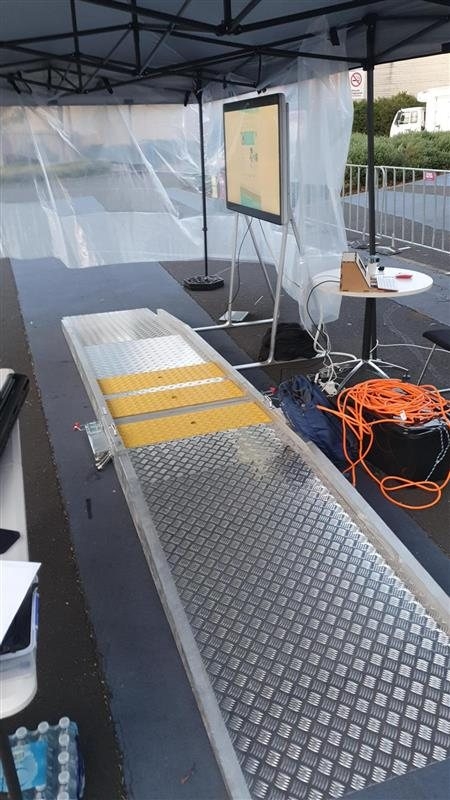
Mechanical modelling, Python parameter sweeps, a four-metre instrumented platform, load-cell modules, acquisition and measured validation.
|
|
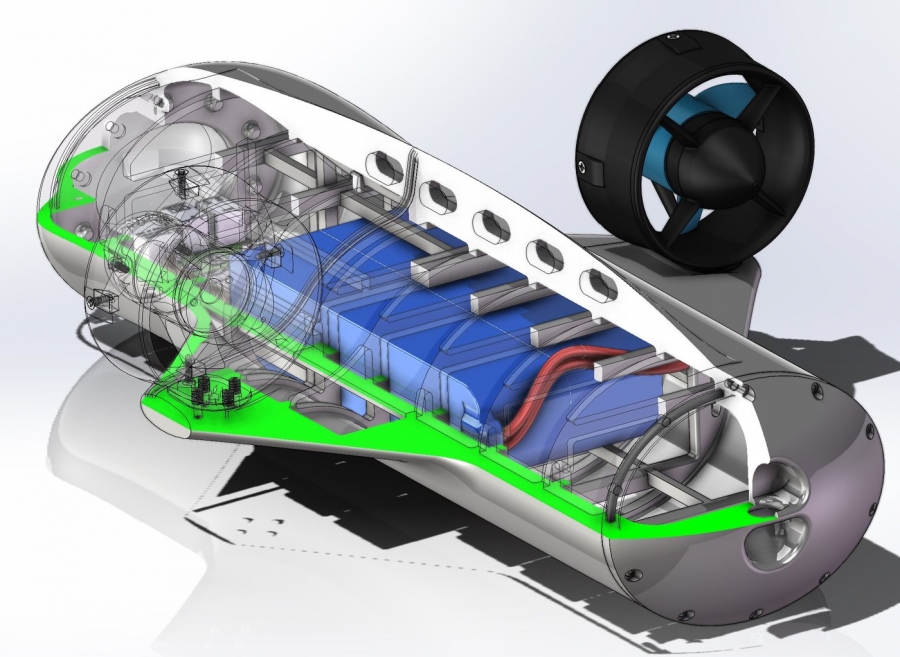
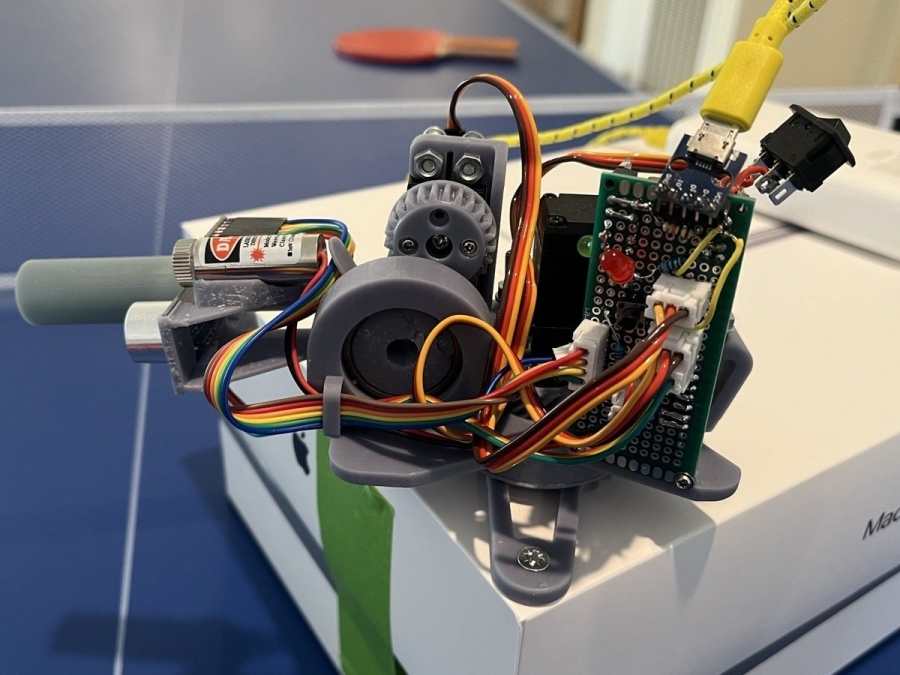
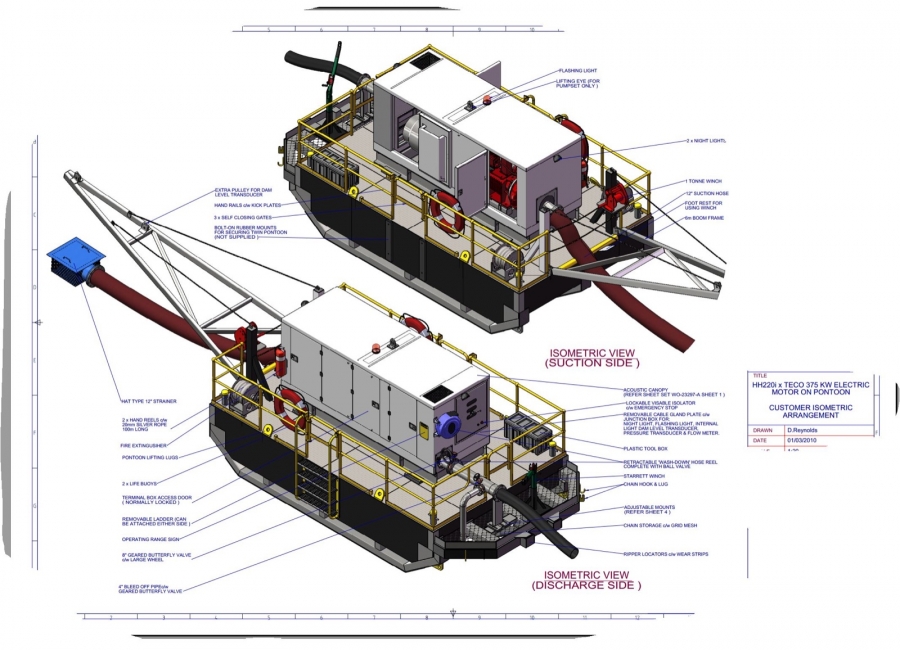
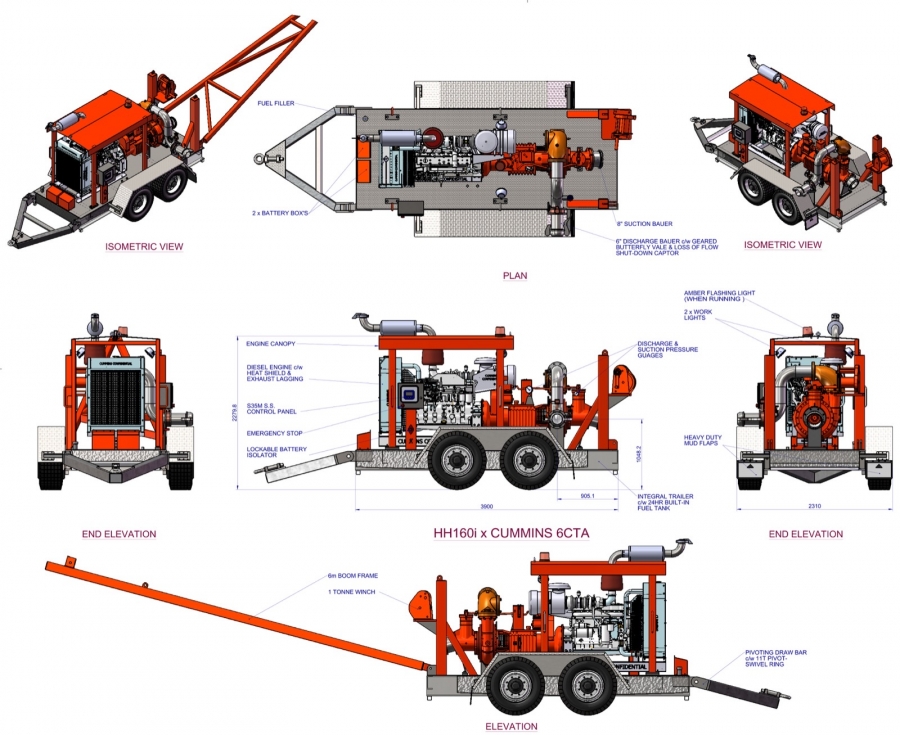
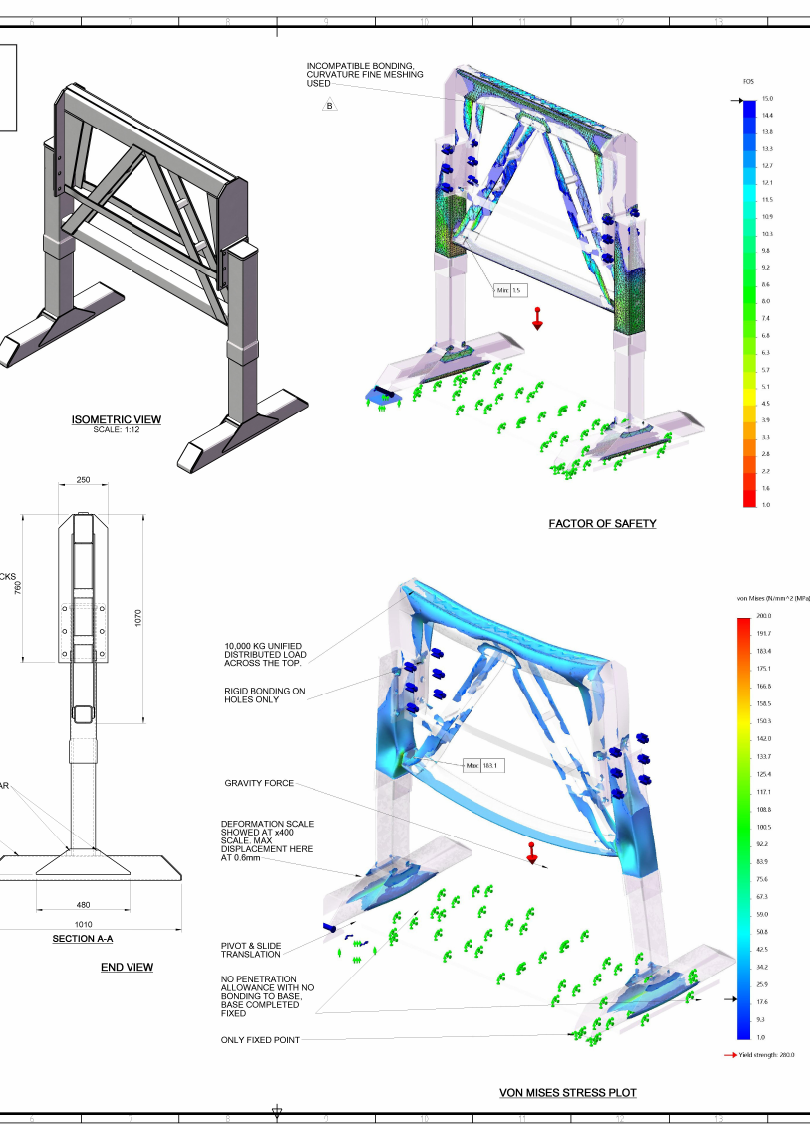
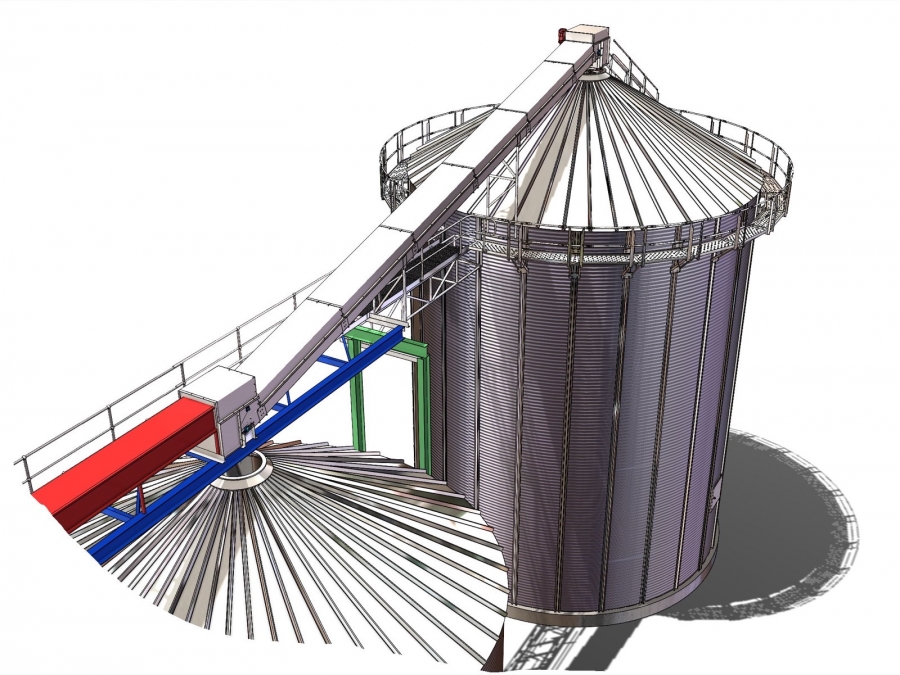
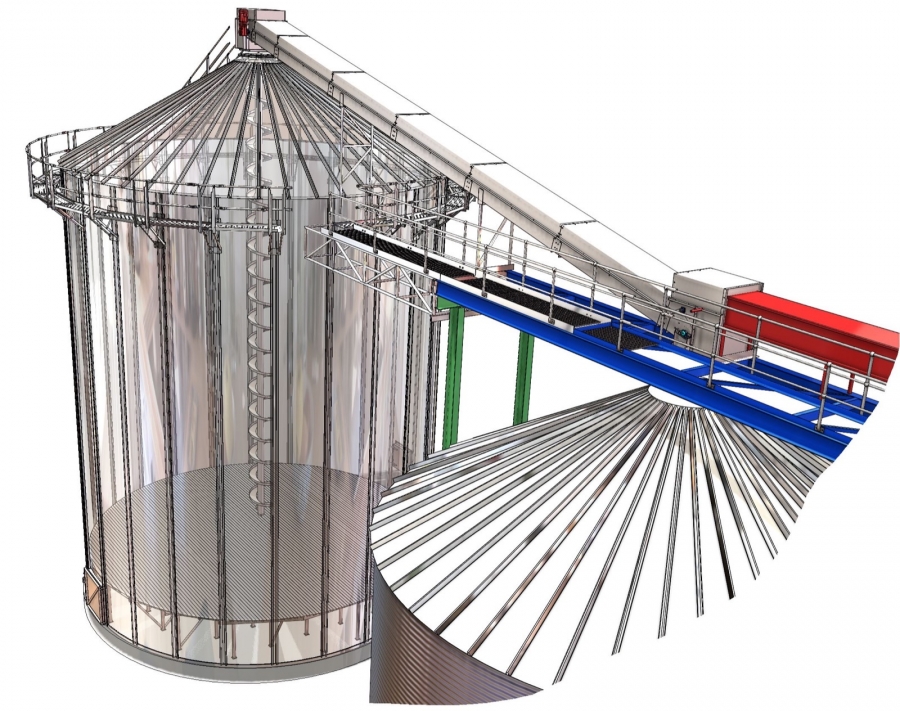
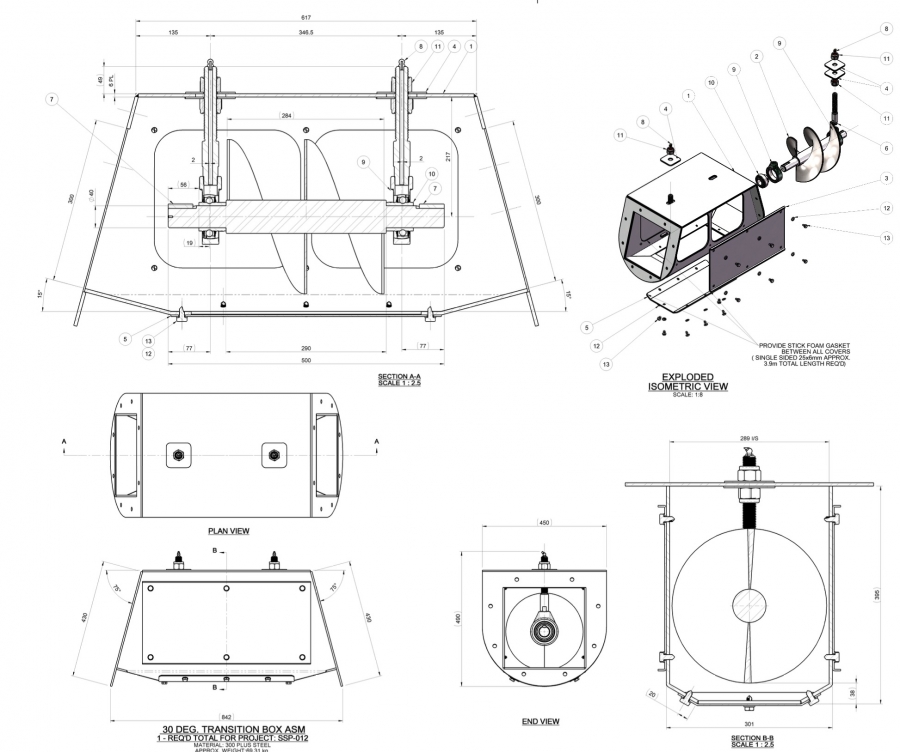
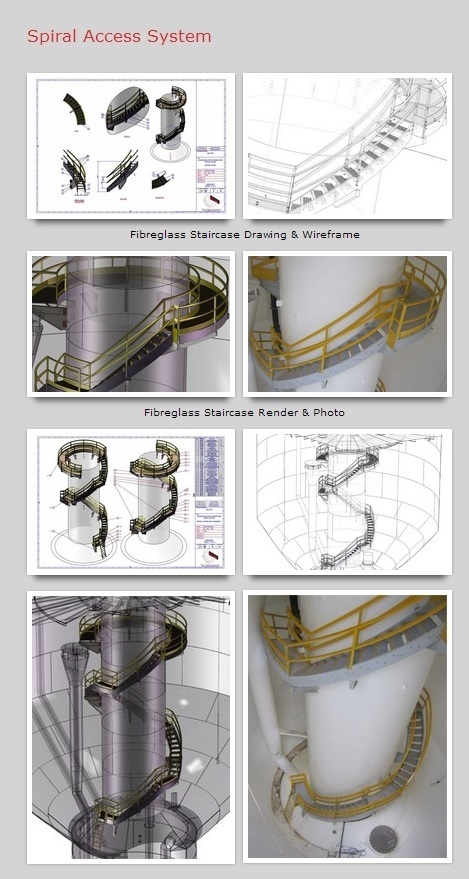
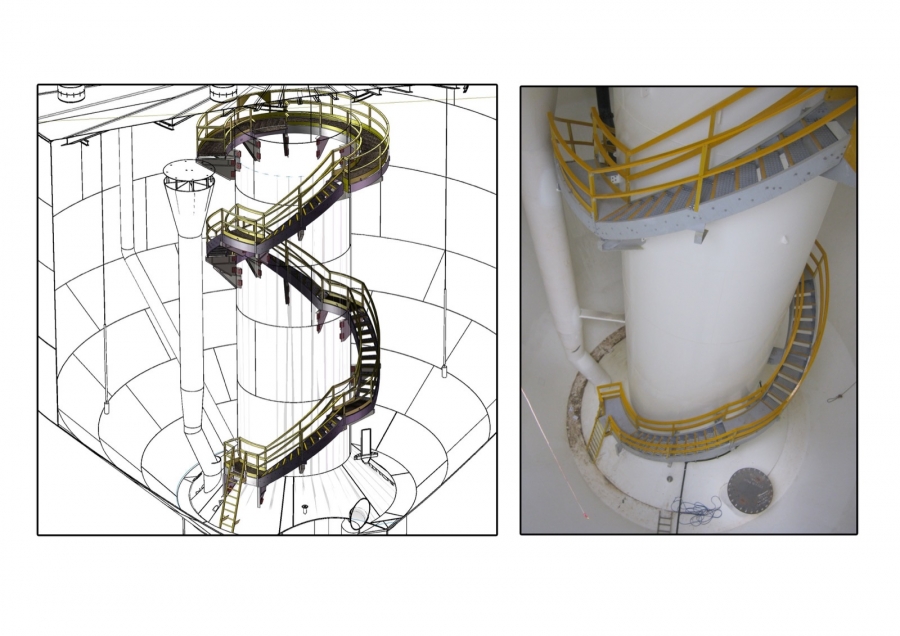
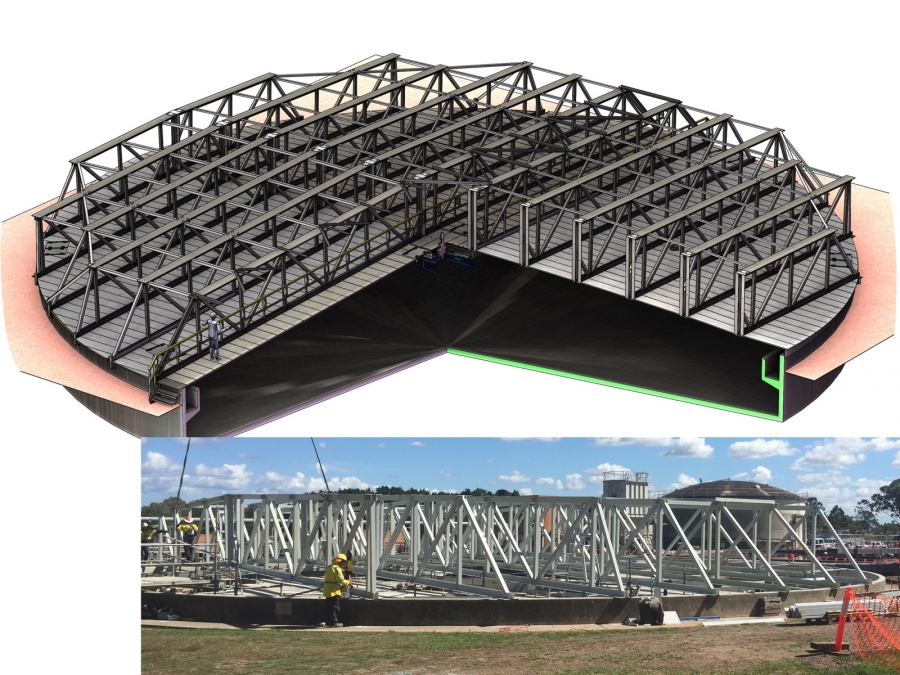
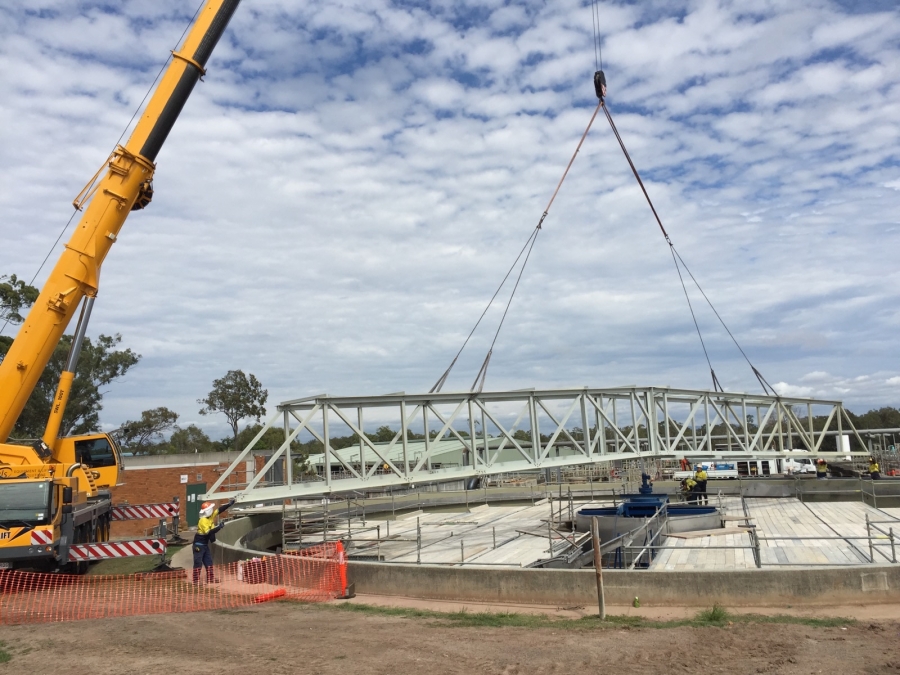
I turn incomplete physical problems into controlled designs, credible checks and practical manufacturing outcomes. The work below covers heavy equipment and packaged systems, existing-equipment verification, machinery development and structures. Mechatronics adds sensing, control and software knowledge to this practical mechanical foundation. A career spanning fitting and machining, mechanical design, product development, research and consultancy since 2001. Diploma of Engineering Technology; Bachelor of Engineering (Honours), majoring in Mechatronic & Robotic Engineering, with First Class Honours. I converted customer orders into approval arrangements, coordinated pumps, motors, structures, piping, controls, access and transport constraints, then produced manufacturing information and followed the job through build, change and final documentation. Dealer-provided-option work included a hydraulically retractable access system and interfaces for the Caterpillar 797F haul truck, plus platforms, handrails and fabrication documentation. Packaging had to account for safe operation, service access and installation within the vehicle envelope. Earlier work included underground vehicles, pumps, explosives-charging equipment, mobile plant, conveyors and integrated safety systems. Heavy mobile equipment is an established part of my experience. My role was to assess equipment already in use: reconstruct its geometry, establish credible load cases, carry out FEA and document changes for independent engineering review. These were assessments of existing designs. "We have used it without trouble” is useful history, but it does not expose reserve margin, local yielding, fatigue exposure or the uncommon offset or dynamic condition that changes the answer. I examined the stand, reconstructed its geometry and boundary conditions, established load cases, carried out FEA and documented improvement and safe-use requirements. The controlled engineering record supported independent review and certification. For a separate confidential in-service trolley, I modelled the actual frame and contacts, checked normal handling and tipped conditions, and investigated how offset or dynamic loading changed the local stress path. The finding became a practical stiffener modification rather than an impressive-looking plot with no workshop action. Engineering judgement means choosing credible load cases, understanding model limits and turning the findings into practical actions. For an agricultural-equipment client, I developed a substantial range of silo and grain-handling machinery rather than modifying inherited designs. Across the wider engagement, work included sweep augers for large flat-bottom silos, underground transfer equipment, transitions, inclined loading systems, drives and supporting structures. The equipment pictured here is a different but related scope: a pistachio load-in system using an inclined paddle-type conveyor. The paddle arrangement was product-driven because conventional auger flights can pinch or shear a high-value nut crop. Ideas progressed into configurable assemblies and workshop-ready drawings. Reusable design knowledge then supported later quotations, job variants and manufacture without pretending that every application was identical. The 30-degree transition was not only a shape to document. I divided it into laser-cut plates with tab-and-slot features that allowed the parts to locate one another during fit-up, then worked with a third-party laser-cutting business to supply accurately profiled components. This reduced manual set-out, large dedicated jigs, temporary fixturing and the amount of workshop time needed to recover the intended geometry. It was a practical way to bring repeatable fit-up, a smoother transition and a resolved finish to a lower-volume agricultural product without the production resources of a much larger manufacturer. A non-standard fibre-reinforced polymer (FRP) spiral staircase was developed around the central vessel of a New South Wales drinking-water reservoir. Normally submerged, it provided access for divers. I developed the helix as a flat mathematical set-out, then mapped it around the cylindrical wall; when additional clearance was requested for future epoxy maintenance, the equation-driven geometry was revised without rebuilding the stair cleat by cleat. The cleat layout was the critical risk. Chaining linear dimensions around an as-built wall would convert a small diameter variation into cumulative helix drift. I developed a geometric set-out algorithm using fixed angular datums, allowing local spacing to adapt while preserving the stair path. The client then pointed to another supplier's installation where every cleat plate had been ground off—a failure prevented here in the drawing. Lightweight modular components could be lifted by hand and rope through the dry riser, avoiding roof removal and a high-reach crane. Installation took one week; the client described it as an excellent project and believed it had award potential. For a Queensland wastewater-treatment plant, I developed a first-of-its-kind system for the application using fully FRP trusses and cover panels over the settling tanks to enable process-gas capture and harvesting. The size and repetition made coordinated interfaces critical. Truss geometry, cover support, access, lifting points, temporary stability, tolerances and installation sequence all had to be resolved in the model before fabrication and crane installation. The mechatronics work did not replace my mechanical career. It expanded it into instrumentation, embedded control, machine vision, data and autonomous-system integration. Mechanical modelling, Python parameter sweeps, a four-metre instrumented platform, load-cell modules, acquisition and measured validation. Pressure hull, propulsion, buoyancy, sensors, embedded C, communications, integration and staged wet testing. Geared mechanisms, ranging sensors, MicroPython, BLE, desktop control software and spatial reconstruction. I am interested in mechanical design and product engineering roles where practical experience, collaborative problem-solving and mechatronics knowledge can contribute to machinery and equipment development. Email LinkedIn Portfolio Earlier REYN project archive Springfield Lakes, QLD · Greater Brisbane · Australian citizen |